The practical points
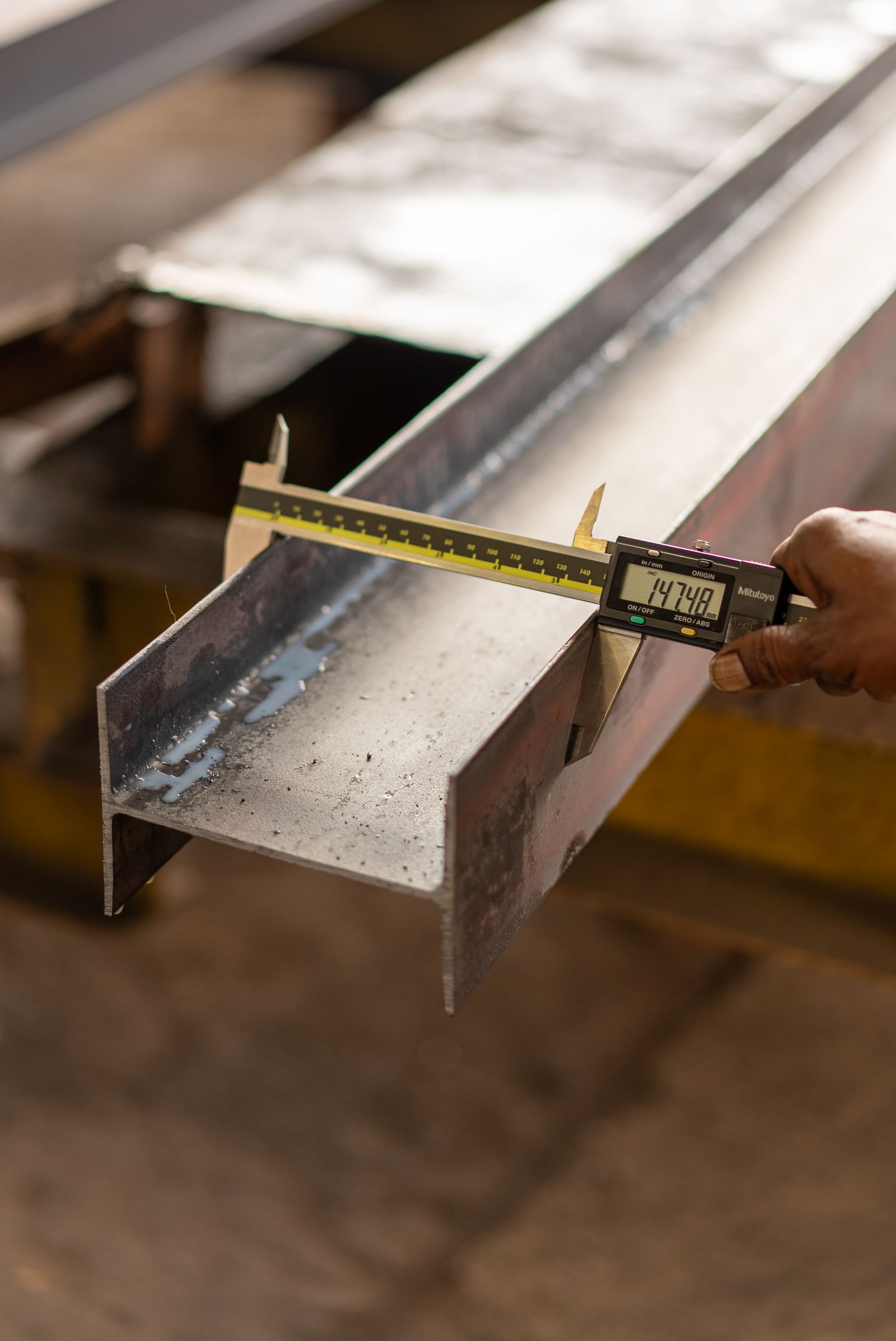
Diameter tolerance depends on product form and size range.
Straightness, length, and finish should be stated separately when they affect the process.
The purchase description must align with the applicable material specification and condition.
Apply the checklist to your stainless grade
For a 303 stainless round-bar enquiry, carry the required grade, condition, finish and acceptance limits into the RFQ. For 316 or 316L stainless round bar, state which grade the drawing requires rather than leaving the choice implicit.
If the drawing calls for 17-4 PH stainless round bar, continue to the grade and diameter pages and carry the specified condition into the inquiry. Use the 17-4 condition guide to organize questions for the responsible reviewer; a listed condition is not permission to substitute for the drawing requirement.
Once the responsible reviewer has confirmed the applicable requirements, send your round-bar RFQ with the drawing or purchase description and required documentation. Identify any proposed alternative separately; a guide or grade page is not approval to substitute material.
What ASTM A484 does—and does not do
ASTM A484/A484M provides general requirements for stainless steel bars, billets, and forgings. It works with the applicable product specification and purchase order; it is not a substitute for naming the grade, condition, form, finish, dimensions, inspection requirements, and current revision that the order requires.
| Question | Where the answer belongs |
|---|---|
| Which stainless grade and product are required? | The applicable material/product specification and purchase description. |
| What diameter tolerance applies? | The applicable standard table for the actual product form, size, finish, and order—or a separately agreed tighter requirement. |
| What straightness does the Swiss process need? | An explicit purchase requirement with a reproducible method when the standard route is not enough. |
| What condition or hardness is acceptable? | The product specification, condition designation, mechanical requirements, and accepted order documents. |
| What document proves the shipped lot? | The required MTR/CoC and traceability flow-down stated at RFQ and confirmed on the quote. |
Standard maximum versus process target
A standard tolerance may define product conformance while a Swiss process needs a narrower operating window. If so, state the required incoming minimum and maximum, measurement method, sampling plan, and disposition rule. Do not call a private process target “ASTM tolerance” unless it is actually the cited standard requirement.
Purchase-description example
[Grade/UNS] round bar; [applicable material specification and revision]; general requirements per ASTM A484/A484M [revision]; [condition]; [finish]; [nominal diameter and accepted range]; [straightness/roundness/finish requirements and methods if applicable]; [length/end prep]; [quantity]; [MTR/traceability/origin flow-downs].
Exact Bar does not reproduce licensed ASTM tables on this page. Check the current official standard and have the responsible technical reviewer confirm the applicable table and revision.
Put it on the purchase description
If diameter tolerance, straightness, roundness, surface finish, hardness, chemistry, origin, or documentation can affect acceptance or machining performance, state it explicitly. A familiar grade name is not a complete purchasing specification.
Reviewed by the Exact Bar technical sourcing team. Last reviewed August 17, 2026. The review checks primary sources, separates grade-specific claims from general guidance, and identifies what still requires machine, print, source, or lot validation. This is procurement guidance—not permission to substitute material or bypass the drawing, purchase order, accepted quote, order acknowledgement, incorporated specifications, or machine-specific validation.