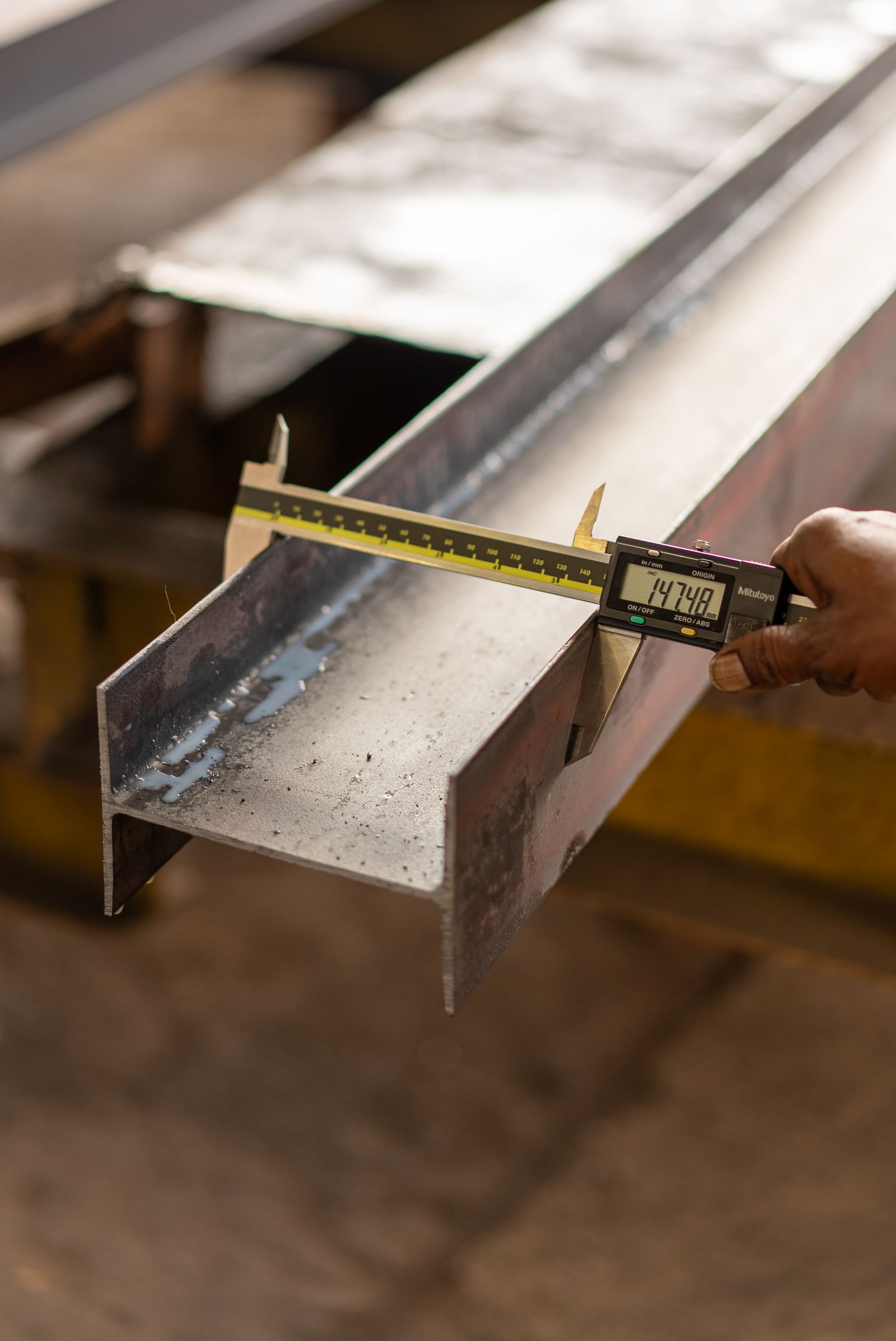
The practical points
316L places a lower maximum on carbon than standard 316; the required grade should come from the drawing, purchase description, and end-use requirements.
Do not treat the L designation as a machining-performance tier. Diameter consistency, finish, straightness, hardness, and source can still affect a precision-turning process.
Specify the applicable product standard, grade or dual certification requirement, form, size, condition, finish, documentation, and any corrosion or fabrication qualification together.
The “L” is a grade requirement, not a quality tier
316L has a lower maximum carbon requirement than 316. Whether the application needs 316, 316L, or material certified to both designations comes from the governing specification, fabrication route, drawing, and customer requirements. Do not convert one into the other because a seller describes them together.
Precision-bar buying questions
- Which exact grade/designation and product specification/revision are required?
- Is dual certification required, accepted, prohibited, or irrelevant?
- Will the outside diameter remain on the part, and what finish/dimensional route is needed?
- What straightness, usable length, and end condition fit the Swiss or screw-machine setup?
- What MTR, heat-lot, origin, corrosion, passivation, or customer documentation is required?
Exact Bar’s differentiation for 316/316L is dimensional consistency, finish, straightness, and the correct documentation path—not a controlled-chemistry machining tier.
Put it on the purchase description
If diameter tolerance, straightness, roundness, surface finish, hardness, chemistry, origin, or documentation can affect acceptance or machining performance, state it explicitly. A familiar grade name is not a complete purchasing specification.
Reviewed by the Exact Bar technical sourcing team. Last reviewed August 17, 2026. The review checks primary sources, separates grade-specific claims from general guidance, and identifies what still requires machine, print, source, or lot validation. This is procurement guidance—not permission to substitute material or bypass the drawing, purchase order, accepted quote, order acknowledgement, incorporated specifications, or machine-specific validation.